By Dr. Don Bierle, FaithSearch President

On resurrection Sunday morning, Mary Magdalen was at the tomb mourning the death of Jesus and seeking to discover where His body had been taken (John 20:11-16). Two angels asked her, “Woman, why are you weeping?” Then she sought Jesus’ body from a person she mistook for the gardener. It was really the resurrected Jesus who asked her again, “Woman, why are you weeping?” (v. 15).
Lutheran commentator Lenski clearly saw the irony in this:
Indeed, why does she weep? – when we should all have had cause to weep to all eternity if what she wept for had been given her, the dead body of her Lord!*
Two Tests of Faith
Jesus had chosen His twelve apostles at the beginning of the great Galilean ministry (Mark 3:14). Throughout that eighteen-month period, He trained them. At the end of that time, they went out two-by-two to proclaim the Gospel on their own in all the Galilean cities and towns (Mark 6:7, 30).

With only a year left before the cross, it was time to test their understanding and commitment to Him. At the feeding of the 5,000, He identified Himself as the “Bread of Life” to save them from their sins (John 6) and not as a political king to free them from Rome (vv. 14-15). Many of His followers were disappointed at that, and the Scripture says, “…many of His disciples withdrew, and were not walking with Him anymore” (v. 66). He turned to the Twelve and asked, “You do not want to go away also do you” (v. 67)? Peter, speaking for the group, responded, “…we have believed and have come to know that You are the Holy One of God” (v. 69). The first test was passed.
About six months before the cross, Jesus was on a retreat with the apostles at Mount Hermon and asked, “Who do you say I am” (Matthew 16:15)? Peter again answered for the group, “Thou art the Christ [=Messiah], the Son of the living God” (v. 16). Jesus was pleased and prophesied that their subsequent ministry and that of the later Church would be predicated on that confession of faith. Second test passed!
The Great Reversal
Things took a twist from there. Yes, Jesus fulfilled the roles of Messiah, the Prophet, the Son of Man, and the Son of God, but there was one identity He had not yet revealed. He could not do so until they had been firmly established in their faith. Since that was now true, we read:
From that time Jesus Christ began to show His disciples that He must go to Jerusalem, and suffer many things… and be killed, and be raised up on the third day (Matthew 16:21).
Jesus was also the “Suffering Servant” who was identified in the Old Testament as the Redeemer (Isaiah 42:1; 53:11). The apostles, though, could not yet comprehend His need to die, much less that He would rise from the dead (Matthew 16:22; Mark 9:10; Luke 9:45).
Prophetic Predictions
The apostle Paul told Timothy, “It is a trustworthy statement, deserving full acceptance, that Christ Jesus came into the world to save sinners…” (1 Timothy 1:15). His death on the cross was substitutionary, and His resurrection authenticated His identity and ministry. That is why every time He referred to His impending sacrificial death, He also included His resurrection.
- “…He must be killed and on the third day be raised to life” (Matthew 16:21)
- “…the Son of Man must… be killed, and after three days rise again” (Mark 9:31)
- “…[they] will crucify Him, and on the third day He will be raised up” (Matthew 20:19)
Jesus’ predictions of His death in Jerusalem made it clear that He was not a victim: “No one has taken it [His life] away from Me, but I lay it down on My own initiative” (John 10:18). He revealed His prophetic knowledge in the Upper Room the night before His crucifixion so they would know that “I am He” (God), so they would believe, and so they would be kept from “stumbling” when His death occurred the next day (John 13:19; 14:29; 16:1).
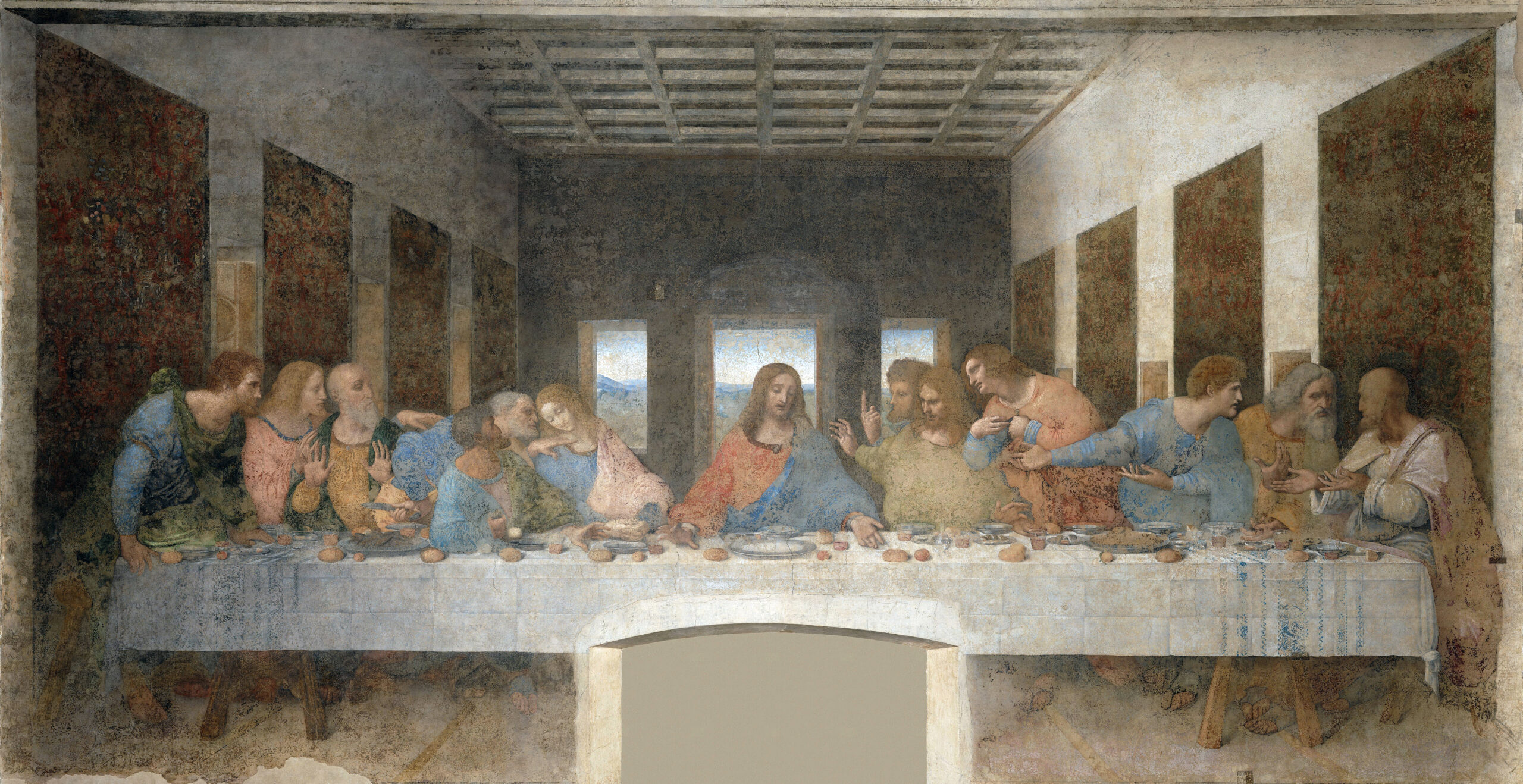
Finally, that same evening He prophesied to them, “you now have sorrow; but I will see you again and your heart will rejoice, and no one takes your joy away from you” (16:22). Indeed, three days later He appeared alive to them.
Why are you troubled… See My hands and My feet, that it is I Myself… And while they still could not believe it for joy and were marveling… (Luke 24:38-41).
Who do you say that He is?
Jesus said, “I am the resurrection and the life; he who believes in Me shall live even if he dies… Do you believe this” (John 11:25-26)? Embracing the truth of Jesus’ resurrection turns mourning into joy. Why would anyone purposely choose to continue crying?
*Quote from: R.C.H. Lenski, The Interpretation of St. John’s Gospel. Columbus, 1956.